My learners are 5 year old children from the Roxbury, Mattapan, Dorchester area. They are mainly black and brown children from lower income families. My educational context is to get students to think deeply about these questions: How do we define our own identities? How can people’s identities be different to and similar to our own?
Knowings and Content:
Identity is who you are as a person.

Identity is made up of many different things such as family membership, our appearance, the foods we eat, and the activities we engage in.
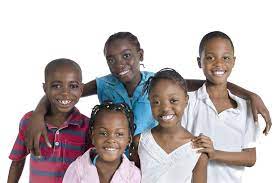
Our names are important and carry meaning to our identities.
It is unkind to tease aspects of another person’s identity and important to love your identity no matter what others say or do.
Understanding/Skill: Students need to know the norms for group read aloud and how to Give 5: criss cross with hands in lap, eyes on speaker, ears listening, lips zipped, listening and learning.

Understand that the answers to questions are found in the text.
Make text to self connections about their lives and the lives of characters in the book.
Grade Levels: Kindergarten
Curriculum Areas: Literacy and writing
Suggested Curriculum Frameworks: Standards (Reading, Writing, Language):
RL.K.10: Actively engage in group reading activities with purpose and understanding.
RL.K.1: With prompting and support, ask and answer questions about key details in a text.
Anti-Bias Framework Standards (Identity, Diversity, Justice, Action):
I.1 Students will develop positive social identities based on their membership in multiple groups in society
Media Literacy Competencies: Students recognize the rights, responsibilities and opportunities of living, learning and working in an interconnected digital world, and they act and model in ways that are safe, legal and ethical.
Digital tools/ resources: Storyline Online, Little Bird Tales
Lesson Plan #1: Our Community!
Rationale: For the first lesson plan we will be reading Chrysanthemum. Before the first read we will have a discussion around the expectations for read alouds. We will review the Giving 5 poster and talk about why it is important to Give 5 during a story. During the read aloud, I will pause and ask the students “How does Chrysanthemum feel when her friends make fun of her name?” Students should answer the question based on evidence from the text. We will also send home a letter asking families to write a letter explaining the meaning behind their child’s name. We will collect these during the next few days to present to kids.
Grade Level: k2
Curriculum Areas: Literacy, Writing, Social/Emotional
Suggested Frameworks
RL.K.10: Actively engage in group reading activities with purpose and understanding.
RL.K.1: With prompting and support, ask and answer questions about key details in a text.
Anti-Bias Framework Standards I.1 Students will develop positive social identities based on their membership in multiple groups in society
NETS or ISTE Standards. Students recognize the rights, responsibilities and opportunities of living, learning and working in an interconnected digital world, and they act and model in ways that are safe, legal and ethical.
Learning Objectives
Students will be able to:
SWBAT answer questions about how Chrysanthemum is feeling and why.
SWBAT answer questions about whether the choices Victoria make are respectful or disrespectful and why.
SWBAT write their names and draw a self portrait.
Vocabulary
Chrysanthemum
Perfect
Dreadful
Miserable
Preparation and Prerequisites:
I will be adding a media component to this lesson plan. I will use youtube video to add to the social emotional component and also to the read aloud. I will also use youtube video to add to writing task.
The digital read aloud will compliment my own read aloud and will enable more access to students who cannot see the illustrations during my read aloud.
The social emotional component will take place in the late afternoon before choice time when we begin to review classroom rules about sharing, taking turns and taking care of classroom materials. https://www.youtube.com/watch?v=KTFJ9gjfAXg
The youtube drawing instructional video will be used during writing task to help students add detail to their self portraits. This will be an ongoing task to be completed at the end of the week.
Time Needed: 5 days (Monday-Friday)
Material and Equipment: Giving 5 Poster, Text, Crayons, Markers, Drawing Paper, Parent Letter, teacher computer, classroom television screen.
General Step-by-Step Procedure: Monday-Friday
| Text Dependent Questions | How does Chrysanthemum feel when the kids make fun of her name? | Are Victoria’s choice respectful or disrespectful? How do you know? | What makes Chrysanthemum love her name again? | N/A | What connection can you make to the children in the book? |
| Writing Task | Practice writing our name. | Follow step by step instructions to draw a detailed self portrait. Write our name underneath. | Practice writing our name. | Drawing a self portrait and writing their name. | Using a combination of drawing and writing, answer the question “Where do you live?” |
Assessment:
Formative Assessment: Teacher observations/peer feedback. (For evaluative criteria see suggested frame works and standards.)
Summative Assessment: Week’s culmination of “writing” task. (For evaluative criteria see suggested frame works and standards.)
Lesson Plan #2: Our Community!
Rationale: For the second lesson, we will read the text, This Is How We Do It. Before we read the text, we will have a discussion about different children in different countries and how we all do the same things (eat, have families, go to school) but in different ways. As we read the story, we will think about several points: We can write about our own lives to teach others about our identity. Children live in different places around the world. We will have a culminating task/activity at the end of the week: Culminating Activity/Task: All About Me Book: Students will illustrate and write an All About Me book modeled after This Is How We Do It.
Grade Level: k2
Curriculum Areas: Literacy, Writing, Social/Emotional
Suggested Frameworks
RL.K.10: Actively engage in group reading activities with purpose and understanding.
RL.K.1: With prompting and support, ask and answer questions about key details in a text.
Anti-Bias Framework Standards I.1 Students will develop positive social identities based on their membership in multiple groups in society
NETS or ISTE Standards. Students recognize the rights, responsibilities and opportunities of living, learning and working in an interconnected digital world, and they act and model in ways that are safe, legal and ethical.
Learning Objectives:
SWBAT write about their own lives to teach others about their identity.
SWBAT engage in meaningful conversations about what connections they can make to the children in the book?
Vocabulary:
Map
Globe
Audience
Identity
Preparation and Prerequisites: I will be adding a media component to this lesson plan by using storyline on line for a social emotional component and youtube videos to enhance students’ understanding of different countries in the world.
One of the digital components of this part of the lesson plan will be the story Sulwe by Lupita Nyong’o. The story will be read on Storyline Online. The story will be read to the students by the author. I am choosing this media outlet because I want to get my students ready to write their own books about themselves and be able to read their work to the class.
Another digital component will be a youtube video about different countries around the word so that students can increase their understanding that there are many countries that make up our world. https://www.youtube.com/watch?v=LZFF8EuaGjM
Finally we will watch the story This Is How We Do It online so that students who had a difficult time viewing the illustrations when I read the story can have another opportunity to view the illustrations. The illustrations are a very important part of the story, especially for ELLs, because they help them to better understand the story.
Time Needed: 5 days (Monday-Friday)
Material and Equipment:All About Me books for students to fill in, Text, Crayons, Markers, Drawing/Writing Paper, teacher compute
| Text Dependent Questions | What connection can you make to the children in the book? | What connection can you make to the children in the book? | What is the same or different about the way the kids in the book learn from the way we learn? | What connection can you make to the children in the book? |
r, classroom television screen.
General Step-by-Step Procedure: Monday-Friday: Students will write in their All About Me books:
| Writing Task | Using a combination of drawing and writing, answer the question “Who do you live with?” Students should use detailed drawings to show people of different sizes with fully formed bodies and details. | Using a combination of drawing and writing, answer the question “How do you get to school?” | Using a combination of drawing and writing, answer the question “Who is your teacher?” | Using a combination of drawing and writing, answer the question “How do you help at home?” | Using a combination of drawing and writing, answer the question “What do you do in the evening?” |
Assessment:
Formative Assessment: Teacher observations/peer feedback. (For evaluative criteria see suggested frame works and standards.)
Summative Assessment: Week’s culmination of “writing” task. (For evaluative criteria see suggested frame works and standards.)
Lesson Plan #3: Our Community!
Rationale: For the Third lesson, we will read the texts, Llama Llama Time To Share and Not A Box. During this lesson, students will learn that sharing with friends makes play more fun. As we read the text, they will be able to describe how sharing and imagining make play more fun. They will also learn that their imagination helps them think of new ideas and that they can use their creativity to express their new ideas
Grade Level: k2
Curriculum Areas: Literacy, Writing, Social/Emotional
Suggested Frameworks:
With prompting and support, ask and answer questions about key details in a text.
With prompting and support, identify characters, settings, and major events in a story.
Recognize common types of texts
With prompting and support, describe the relationship between illustrations and the story in which they appear
Recognize and produce rhyming words
With guidance and support from adults, recall information from experiences or gather information from provided sources to answer a question.
Use a combination of drawing, dictating, and writing to compose informative/explanatory texts in which they name what they are writing about and supply some information about the topic.
NETS or ISTE Standards. Students recognize the rights, responsibilities and opportunities of living, learning and working in an interconnected digital world, and they act and model in ways that are safe, legal and ethical.
Learning Objectives:
SWBAT use their imaginations to helps them think of different ways they can learn to play together.
SWBAT apply what they know and what they’ve learned about sharing in real life situations.
SWBAT write about how sharing makes playing together more fun!
Vocabulary:
Text: Llama Llama Time To Share:
Share
Frown
disaster
Friend
Text: Not A Box!
Box
Squirting
Race Car
Mountain Peak
Building
Robot
Tug Boat
Pirate Ship
Hot Air Balloon
Space Ship
Preparation and Prerequisites: I will be adding media components to this lesson plan in order to enhance the big idea of this unit: Playing with friends is more exciting with our imagination!
I will use youtube song Sharing is Caring to stress why sharing is an important part of learning to play together.
I will use youtube video of the text Not A Box (animated version) to add to the imaginative component of the story.
I am adding https://littlebirdtales.com/ digital component so that my students will have multiple choices when completing their writing prompts.
Time Needed: 5 days (Monday-Friday)
Material and Equipment: Texts, Crayons, Markers, Drawing/Writing Paper, teacher computer, student chrome books, classroom television screen.
General Step-by-Step Procedure: Monday-Friday:
Monday:
LT: Students will discuss what choices make playing together fun.
Text: Llama Llama Time to Share
Tuesday:
LT: Authors and illustrators show character feelings through a combination of words and illustration.
Text: Llama Llama Time to Share
Wednesday:
LT: Students will highlight the rhyming words found in Llama Llama Time to Share
Text: Llama Llama Time to Share
Thursday:
LT: Students will learn using your imagination can make play more fun.
Text: Not a Box
Friday:
LT: Students will learn using your imagination can make play more fun.
Text: Not a Box
Writing Task
| Writing: How did Llama Llama become friends with Nelly Gnu? | Writing: Drawing a picture showing emotions. | Writing: Llama Llama Rhyming Sort | Writing This is not a box. What do you imagine it could be? | Writing – How does the bunny show imagination? At centers or during writing time, have cardboard boxes available for students to play with and imagine. |
Assessment:
Formative Assessment: Teacher observations/peer feedback. (For evaluative criteria see suggested frame works and standards.)
Summative Assessment: Week’s culmination of “writing” task. (For evaluative criteria see suggested frame works and standards.)
Artifacts:
 Digital and Media Literacy